Cynthiana Leaders Hail Zombies For ‘Bringing Life Back Downtown,’ Horrify 10‑Year‑Old Witness
A dad proudly explains Cynthiana’s Walking Dead mural to his 10‑year‑old, only to convince the kid that the town’s entire economic plan depends on zombies, ice cream, and a carefully managed ‘undead’ downtown.
CULTURE
1/26/20262 min read
Cynthiana, KY — A routine father‑son outing to see the famous Walking Dead mural downtown took a dark philosophical turn Saturday when local resident Jeff Miller cheerfully told his 10‑year‑old son that zombies had “brought a lot of life back to downtown,” instantly convincing the child that the city’s economic future depends on the undead.
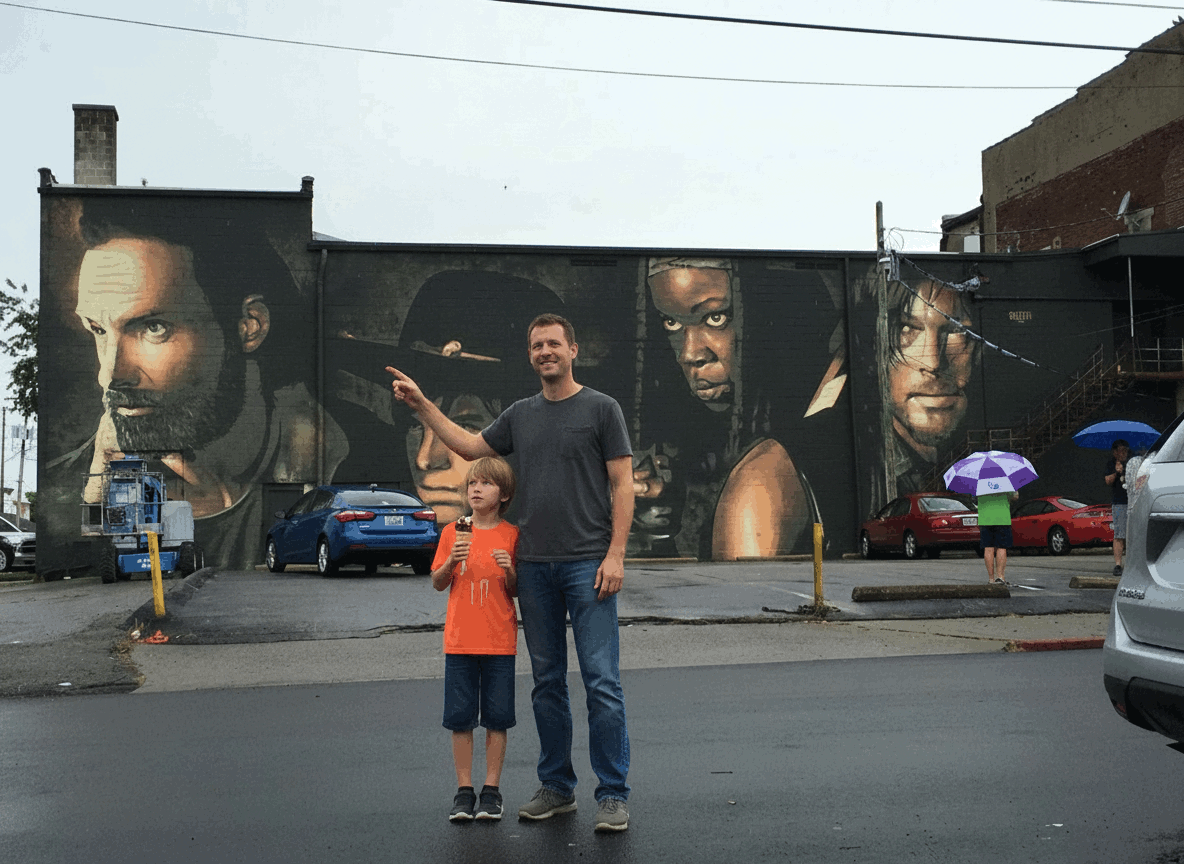
The pair had stopped at the massive mural near Pike Street, which celebrates Cynthiana’s role as the birthplace of The Walking Dead comic series, when young Eli asked the question every local eventually has to face: “Why are there giant dead people on the wall, and why are we proud of it?”
“They’re not just dead, buddy,” Jeff explained, gesturing proudly toward the artwork. “They’re the Walking Dead. They actually brought a lot of life back to downtown Cynthiana.”
Eli stared at his father for a full five seconds. “So… we got money because of dead people walking around?” he asked. “Is that… legal?”
Jeff tried to clarify. “No, no, they’re not real zombies. It’s a TV show and a comic. People come here because the story started in Cynthiana. It helps tourism. It’s good for local business.”
“So the town’s plan,” Eli said slowly, “is to attract tourists with pictures of diseased corpses so they’ll buy ice cream?”
“Also T‑shirts,” Jeff added, before realizing that did not help.
As they walked along the mural, Eli grew more alarmed. “You said this ‘brought downtown back to life,’” he reminded his dad. “Isn’t coming back to life when you’ve already died literally what zombies do? Did the city council think this through?”
Jeff attempted a quick civics lesson. “It’s just a figure of speech. The mural and the Walking Dead Day events got people talking about Cynthiana again. It helped revive the local economy.”
“So we were economically dead,” Eli summarized, “and then we became economically undead.”
Reports indicate Jeff made things worse by mentioning that the town once hosted a big Walking Dead festival where thousands of fans came to celebrate zombies in the streets.
“Wait,” Eli said. “Everyone got together to celebrate the apocalypse and spend money? Dad, that’s not a festival, that’s a weird practice drill.”
Attempting to pivot, Jeff pointed out some local shops and restaurants. “See that café? And those boutiques? They like the extra visitors. Zombies—well, fake zombies—helped keep those doors open.”
“So if business gets slow again,” Eli asked, “do we just add more zombies? Like, if one mural fades, do you paint three more, then start doing haunted hayrides downtown, then maybe a small outbreak?”
At press time, sources say Eli was drafting a strongly worded letter to the mayor asking for clarification on whether Cynthiana’s long‑term development plan is “jobs, infrastructure, and community” or simply “more corpses on walls, but tastefully.”
City officials, reached for comment, emphasized that The Walking Dead connection is “a celebration of storytelling, art, and local pride,” and not a formal endorsement of necromancy‑based economic policy, though they did admit the phrase “brought downtown back to life” might need some workshopping.